2026 Top Industrial Air Compressors for Global Buyers?
In the rapidly evolving world of manufacturing, industrial air compressors stand as pivotal components. Industry expert John Smith, a renowned figure in pneumatic systems, once stated, “Choosing the right industrial air compressor can significantly enhance operational efficiency.” This highlights the importance of selecting the right device for various applications.
As we approach 2026, global buyers must pay close attention to the trends in industrial air compressors. Advanced technologies are reshaping the landscape. Next-generation models offer improved energy efficiency, reduced noise, and lower emissions. These features are crucial for industries looking to minimize their environmental footprint.
However, the selection process isn't straightforward. Buyers often face challenges in identifying the appropriate specifications. Factors like pressure requirements and tank sizes can complicate decisions. Reflecting on these complexities can lead to wiser choices in purchasing trends. Ultimately, understanding the true value of industrial air compressors is essential for future success in the manufacturing sector.
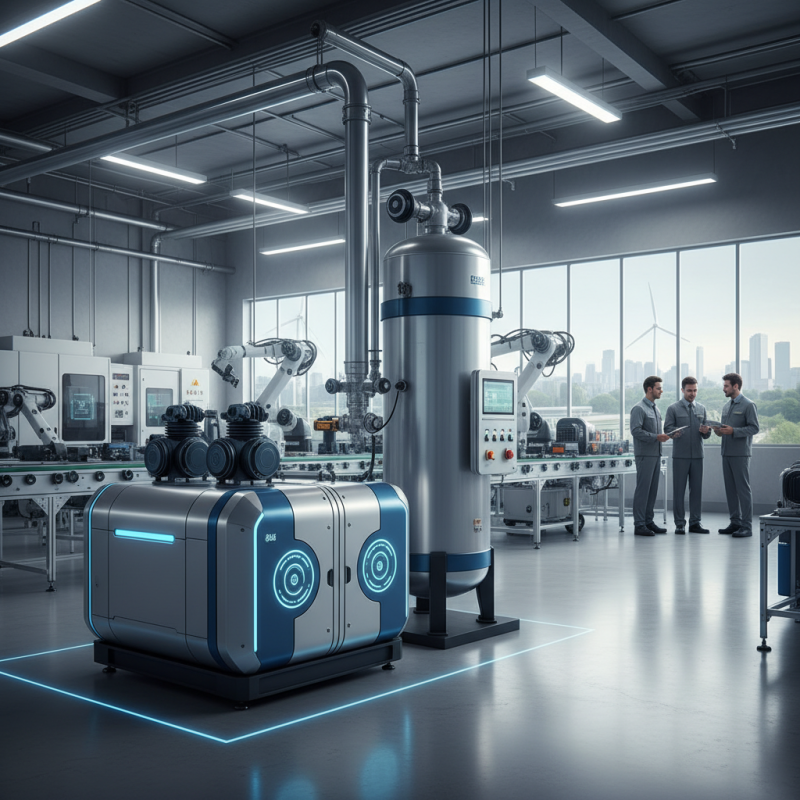
Global Market Overview of Industrial Air Compressors in 2026
The global market for industrial air compressors is evolving rapidly as we approach 2026. As industries focus on efficiency and sustainability, the demand for advanced air compressors is expected to rise. These machines are essential for various applications, including manufacturing, construction, and automotive industries. Their efficiency can significantly impact production costs and energy consumption.
Tips: When selecting an air compressor, consider energy efficiency ratings. A higher rating may lead to substantial savings over time. Also, pay attention to maintenance requirements. Regular servicing can prevent unexpected downtimes and extend the lifespan of the equipment.
Factors shaping the market include technological advancements and stricter environmental regulations. Companies are now seeking compressors that reduce noise and emissions. This shift is pushing manufacturers to innovate continuously. However, challenges remain, such as the high initial investment costs for advanced models.
Tips: Conduct a thorough needs assessment before buying. This ensures you choose the right size and type for your operations. Consider the total cost of ownership, not just the upfront pricing.
Key Features and Innovations in Top Air Compressors for 2026
The industrial air compressor market is evolving rapidly in 2026. Key features focus on energy efficiency and noise reduction. According to a recent market analysis, global energy-efficient compressors can save industries up to 40% on energy costs annually. Innovations such as variable speed drives allow compressors to adjust output based on demand, enhancing efficiency.
Some brands are integrating smart technology for real-time monitoring. This feature provides data analytics that helps industries detect issues before they escalate. Reports indicate that predictive maintenance can reduce downtime by more than 25%. However, many companies struggle to adopt these innovations due to budget constraints or lack of technical expertise.
Air compressors with advanced filtration systems are becoming a priority. These systems help improve air quality, reducing the risk of equipment damage and ensuring workplace safety. Despite the promising advancements, the learning curve associated with these technologies can be steep. Companies must invest in training their staff to maximize the benefits of these upgrades. Additionally, some manufacturers are still lagging in meeting sustainability standards, prompting concerns about compliance and environmental responsibility.
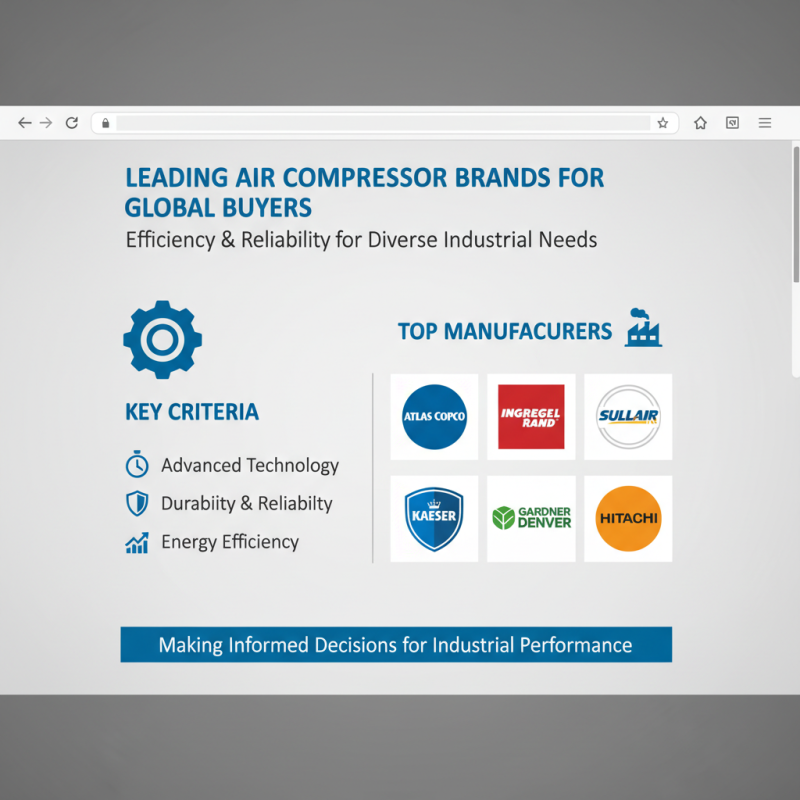
Leading Brands and Manufacturers of Air Compressors for Global Buyers
In the competitive market of industrial air compressors, understanding leading brands is crucial for global buyers. These manufacturers have built their reputation over decades. Their products often feature advanced technology, ensuring efficiency and reliability. Buyers seek compressors that perform well in various conditions. Each brand brings unique strengths and specialties to the table.
Quality is not uniform across all manufacturers. Some offer strong customer support, while others excel in energy efficiency. Buyers should assess their specific needs before committing. It's essential to consider factors like maintenance and warranty options. For example, reliable service can greatly impact long-term operational costs.
While many brands promise high performance, some may fall short. Real-world testing often reveals discrepancies between claims and actual performance. Buyers must research and read user reviews. This feedback can highlight strengths and weaknesses, informing better purchasing decisions. Being aware of these details helps in selecting the right compressor for unique operational demands.
Applications and Industries Utilizing Air Compressors in 2026
In 2026, air compressors are widely utilized across various industries. Manufacturing, healthcare, and construction sectors depend heavily on these machines. They provide a reliable source of compressed air for running equipment and tools. For instance, in manufacturing, air compressors power pneumatic tools and assist in assembly lines, enhancing productivity.
In healthcare, air compressors drive ventilators and other critical devices. They ensure that patients receive reliable treatment. Construction sites also benefit greatly, as these compressors power nail guns, drills, and more. The versatility of air compressors makes them essential in different applications.
However, reliance on compressed air also presents challenges. The energy consumption of these machines can be high. Organizations should consider energy-efficient models to minimize costs. Regular maintenance is crucial to avoid downtime. While air compressors play a significant role, evaluating their impact and efficiency is essential for sustainable use in the future.
Factors Influencing Selection and Purchase of Air Compressors Globally
When choosing air compressors, several factors come into play. The intended application varies greatly among industries. For example, manufacturing may require high power and efficiency, while a workshop might prioritize portability. Understanding the specific needs of an operation is crucial. Many buyers overlook this aspect, leading to mismatched equipment.
Energy efficiency is another important consideration. Compressors that consume excessive energy can increase operational costs significantly. Looking for models with energy-saving features is wise. However, some products claim high efficiency but fall short in performance. Buyers must research and analyze real user reviews to make informed choices.
Maintenance and service support are often underestimated. A reliable air compressor will require regular upkeep. Some users find themselves facing unexpected downtime due to lack of parts availability. It's essential to choose suppliers who offer solid support and accessible spare parts. This ensures longevity and reliability in the long run, despite fluctuating market conditions.
2026 Top Industrial Air Compressors for Global Buyers